


HELLO, BEAUTIFUL
Während sie für die Olympischen Spiele in Paris trainierte, fallen der Profi-Kletterin Alannah Yip plötzlich die Haare aus. Innerhalb weniger Wochen erhält sie die Diagnose Alopecia universalis – eine Autoimmunerkrankung, die zu kompletten Haarausfall verursacht. In einer Zeit, in der Alannah mit der plötzlichen Veränderung ihres äußeren Erscheinungsbildes ringt und zugleich mit der Möglichkeit konfrontiert ist, sich nicht für Paris zu qualifizieren, gerät ihr bisheriges Selbstverständnis ins Wanken. Dabei setzt sie sich intensiv mit tief verwurzelten Glaubenssätze über Schönheit, Identität und Selbstwert auseinander. Alannah löst sich von den Konstrukten, die ihr Leben bislang bestimmt haben. Sie kehrt der Wettkampfszene den Rücken – dort war sie seit ihrer Kindheit aktiv. Die Natur hilft ihr auf ihrem Weg der Heilung. Sie begibt sich auf eine Reise, um ihr bisherigen Überzeugungen zu hinterfragen und neu zu ordnen – vom Sport und von sich selbst.
Ein Film von Darcy Hennessey | Text von Matt Spohn | Fotos von Eliza Earle
Lange, schwarze Haarsträhnen liegen verstreut auf dem Boden rund um den Friseurstuhl. Kurz zuvor hatte die Olympia-Teilnehmerin und Arc’teryx Athletin Alannah Yip die Schere selbst in die Hand genommen. Zuerst schnitt sie den seitlich gebundenen Pferdeschwanz ab. Dann setzte sie den vibrierenden Haarschneider an und zog eine Bahn mitten über ihren Kopf.
„Der erste Schritt war beängstigend“, sagt sie. „Ich wollte aber nicht mehr mit dem täglichen Schock leben, dass ich immer mehr Haare verlor. Es war befreiend.“
Seit Ende des Jahres 2024 fielen Alannah nach jedem Bürsten, jedem Duschen und jedem Absetzen einer Mütze dicke Strähnen ihrer Haare aus. „Was ich noch auf dem Kopf hatte, war so empfindlich, dass ich es kaum berühren wollte. Die Büschel in meinen Händen – ich wusste nicht, warum sie ausfielen“, erzählt sie.
Zwischen dem Training für die Olympischen Spiele in Paris und den Qualifikationswettkämpfen suchte Alannah Spezialist:innen auf, um herauszufinden, was los war. Mehr als einen Monat später hatte sie eine Antwort: Alopecia universalis: eine Autoimmunerkrankung, die kompletten Haarausfall verursacht.
„Mir war bis dahin nicht bewusst, wie sehr meine Haare Teil meiner Identität waren. Sie waren eine Verbindung zu meiner chinesischen Herkunft. Zu meiner Oma. Sie waren schön. Und sie zerfielen direkt vor meinen Augen.“
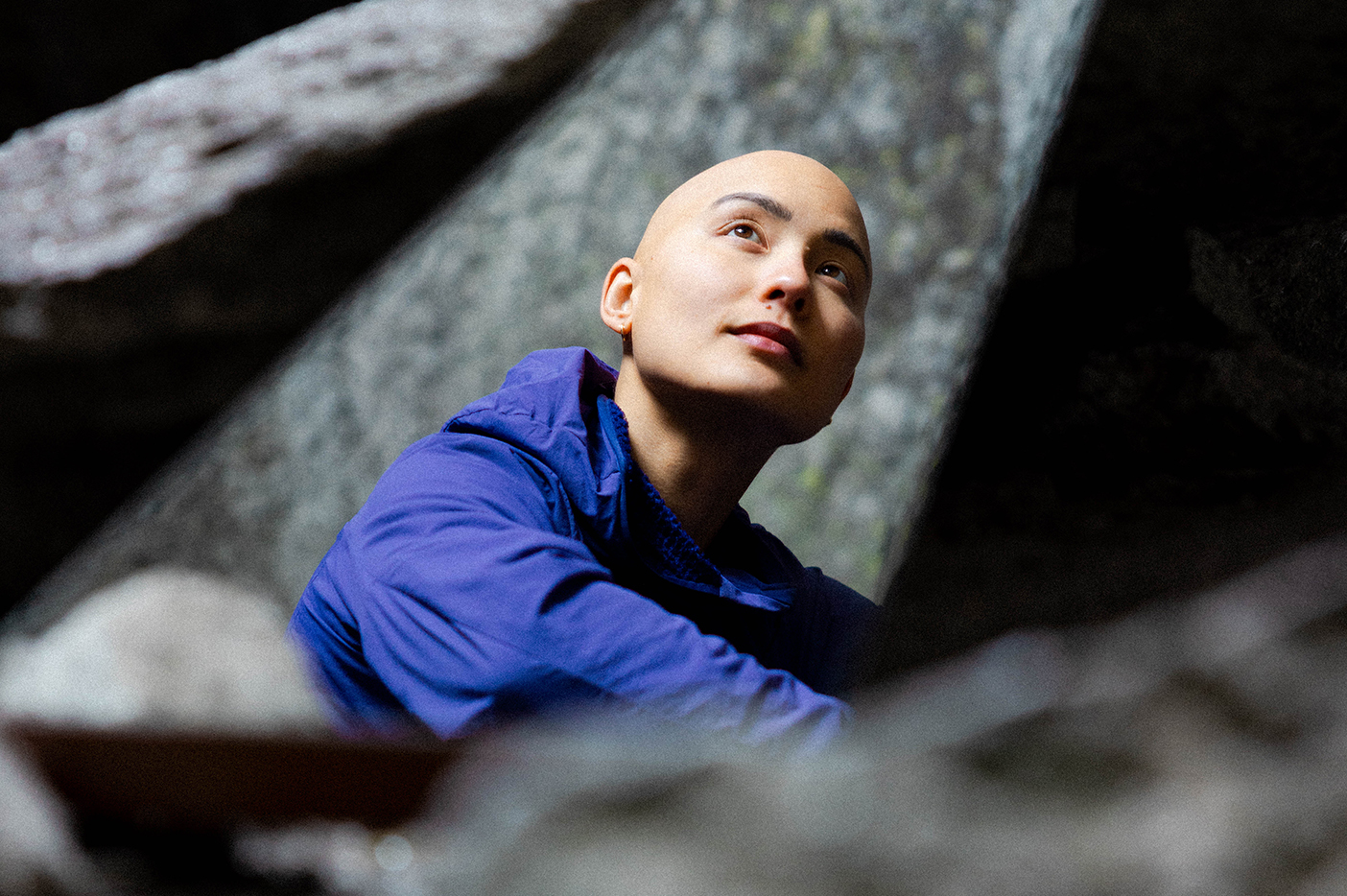
In den ersten Phasen ihrer Alopezie durchlebte Alannah eine Vielzahl von Emotionen: Kummer, Wut, das Gefühl der Vereinsamung. Wie bei jeder chronischen Erkrankung durchlief sie einen ständigen Prozess der Trauer um die frühere Identität im Wechsel mit der fortwährende Arbeit, diese neue Wahrheit, das neue Leben zu akzeptieren und sich daran anzupassen.
Wenn die Erkrankung körperlich sichtbar ist, entsteht oft der Eindruck, auf einer Bühne zu stehen. „Das Gefühl, dass mehr Blicke auf mir lasten“, sagt Alannah, „wurde durch das Klettern noch verstärkt. Durch die Teilnahme an Wettkämpfen fühlte es sich so an, als würden mich noch mehr Menschen anschauen.“
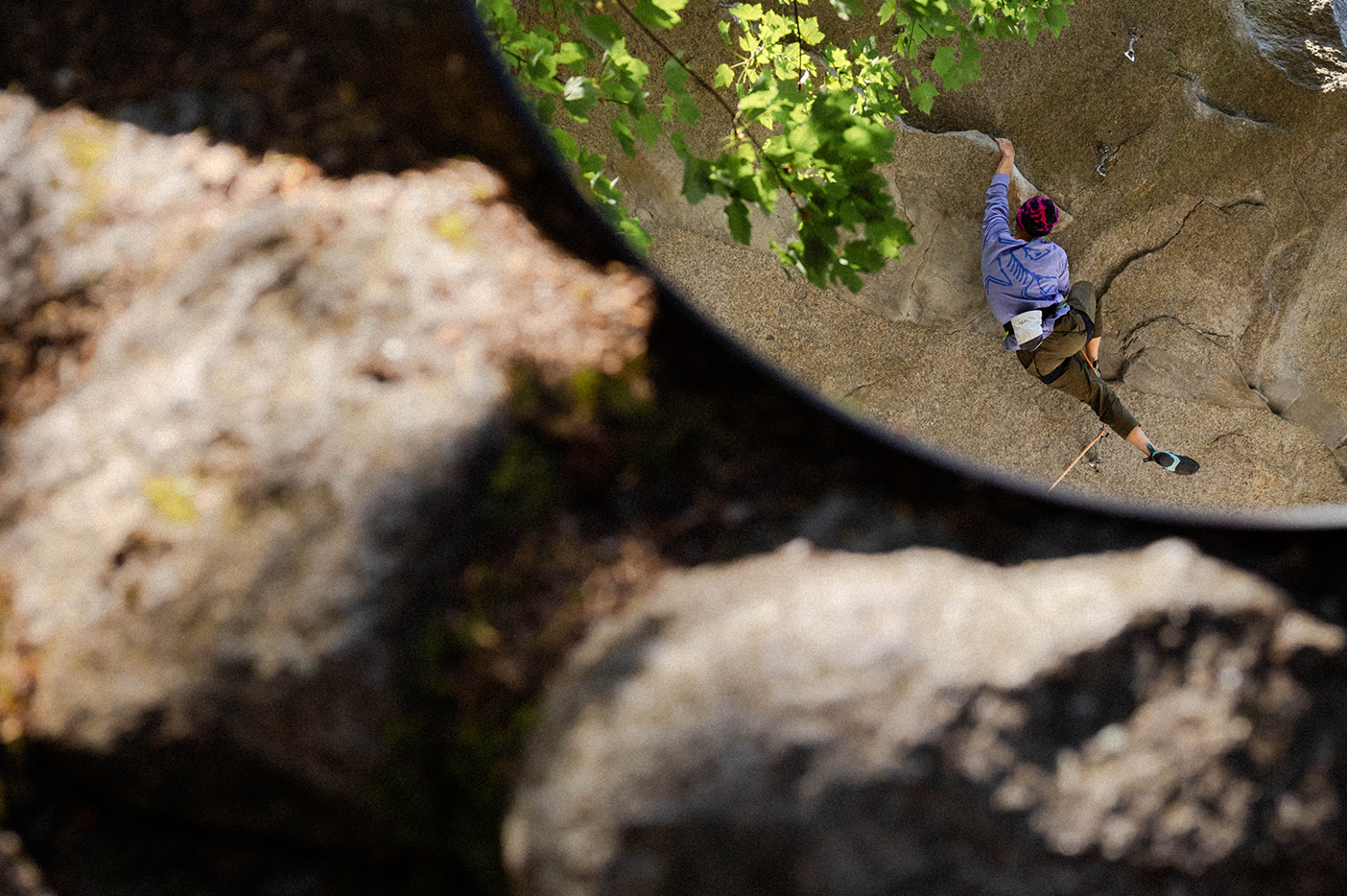
Seit sie neun Jahre alt ist, kennt Alannah das Wettkampfgeschehen und den Druck des Rampenlichts. Sie weiß, wie es ist, im Mittelpunkt zu stehen, während alle Blicke ihr folgen und sie sich von Griff zu Griff nach oben bewegt.
„Alle Wettkampfkletterer:innen kennen die Nervosität, die durch das Publikum noch verstärkt wird“, sagt sie. Im Grunde kann jede:r Kletterer:in dieses Gefühl empfinden, wenn er oder sie eine Route oder ein Boulderproblem probiert und Leute dabei zusehen.
„Mir war bis dahin nicht bewusst, wie sehr meine Haare Teil meiner Identität waren. Sie waren eine Verbindung zu meiner chinesischen Herkunft. Zu meiner Oma. Sie waren schön. Und sie zerfielen direkt vor meinen Augen.”
Fokus ist wichtig, um Höchstleistungen zu bringen. Negative Gedanken, Ängste und Sorgen – solche Emotionen lenken ab, verursachen ein innerliches Chaos. Während Alannahs Haare ausfielen, erreichte sie einen Wendepunkt.
„Es passierte – meine Haare fielen aus und ich wusste, dass meine Wettkampfkarriere zu Ende ging, auch wenn ich mich für Paris qualifizieren würde. Ich traf die Entscheidung (dass die Spiele mein letztes Event sein würden). Wie wollte ich auftreten? Wer wollte ich sein?“
Durch die plötzliche Veränderung ihres äußeren Erscheinungsbildes und die Tatsache, dass sie sich möglicherweise nicht für Paris qualifizieren würde, setzte sie sich mit tief verwurzelten Überzeugungen über Schönheit, Identität und Selbstwert auseinander.
„Frauen, Menschen mit Alopezie und People of Color haben einen noch größeren Druck, einem kulturellen Schönheitsideal zu entsprechen“, sagt sie. „Und Haare haben in unserer Kultur eine besondere Bedeutung.“ Es ist ein Symbol für Schönheit. Wenn eine Frau ihre Haare verliert, passieren so viele Dinge. Ich wurde falsch angesprochen. Ich wurde gefragt, warum ich keine Perücke trage. Die Leute nahmen an, dass ich krank bin.“
Das Abrasieren ihrer Haare brachte ihr Klarheit. „Mit dem dünner werdenden Haaren fühlte ich mich nicht mehr wie ich selbst. Die Entscheidung, sie abzurasieren, war wie ein Neustart.“
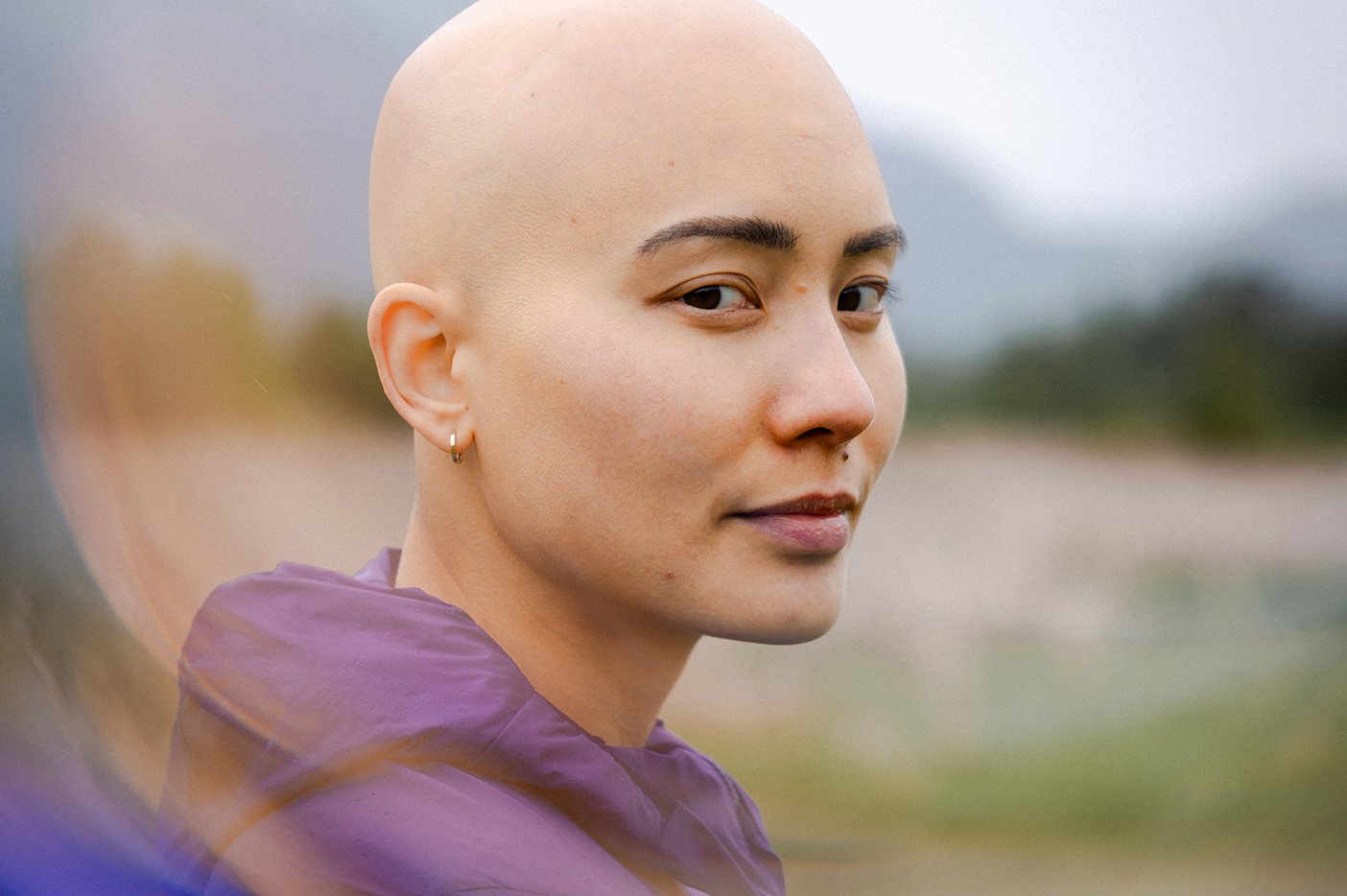
„Es passierte – meine Haare fielen aus. Wie wollte ich auftreten? Wer wollte ich sein?“
Aber es war auch: ein Anfang.
„Als ich mir den Kopf rasierte, dachte ich naiverweise, dass ich mit der Alopezie im Grunde abgeschlossen hätte.“
Stattdessen folgten Monate einer emotionalen Achterbahnfahrt. An manchen Tagen fühlte ich mich stark. An anderen Tagen wollte ich einfach nur meine Haare zurück. Das Schlimmste war dieser Sekundenbruchteil, in dem ich mich nicht im Spiegel erkannte.“
Die Entscheidung, sich den Kopf zu rasieren (statt eine Perücke zu tragen), war zutiefst persönlich. Jede Person mit Alopezie findet den Weg, der am besten zu ihr passt. „Unsere kulturellen Vorstellungen von Schönheit und Weiblichkeit sind stark mit Haaren verknüpft. Es hat eine Weile gedauert, bis ich mich nach dem Haarausfall in meiner eigenen Haut wieder wohl und selbstbewusst gefühlt habe.“
Die Alopezie und der Druck, sich für die Olympischen Spiele zu qualifizieren, zwang Alannah zum Handeln. „Ohne Haare auf der Wettkampfbühne zu stehen, war anfangs für mich unangenehmer, als ich erwartet hatte. Es zwang mich aber, mich meinem Unbehagen zu stellen und diese Gefühle zu verarbeiten.“ Ich hatte keine Wahl – wenn ich mich wieder für Olympia qualifizieren wollte, musste ich meine Gedanken neu ausrichten. Mein olympisches Ziel aufzugeben, nur aus Angst vor meinem Aussehen, kam für mich nicht infrage.“
Also machte sich Alannah an die Arbeit. Im Austausch mit dem Sportpsychologen Dr. John Coleman begann sie, sich wichtige Fragen zu stellen: Machst du es aus dem Gefühl der Angst oder dem Gefühl der Liebe heraus? Wer willst du am Ende diese Erfahrung sein?
„Eine Perücke hieße für mich, mich zu verstecken. Ich wollte mich nicht verstecken.“
Begleitend zu diesen Fragen gab Dr. Coleman Alannah eine tägliche Aufgabe: Schau in den Spiegel und sag zu dir selbst: „Hello, Beautiful!“
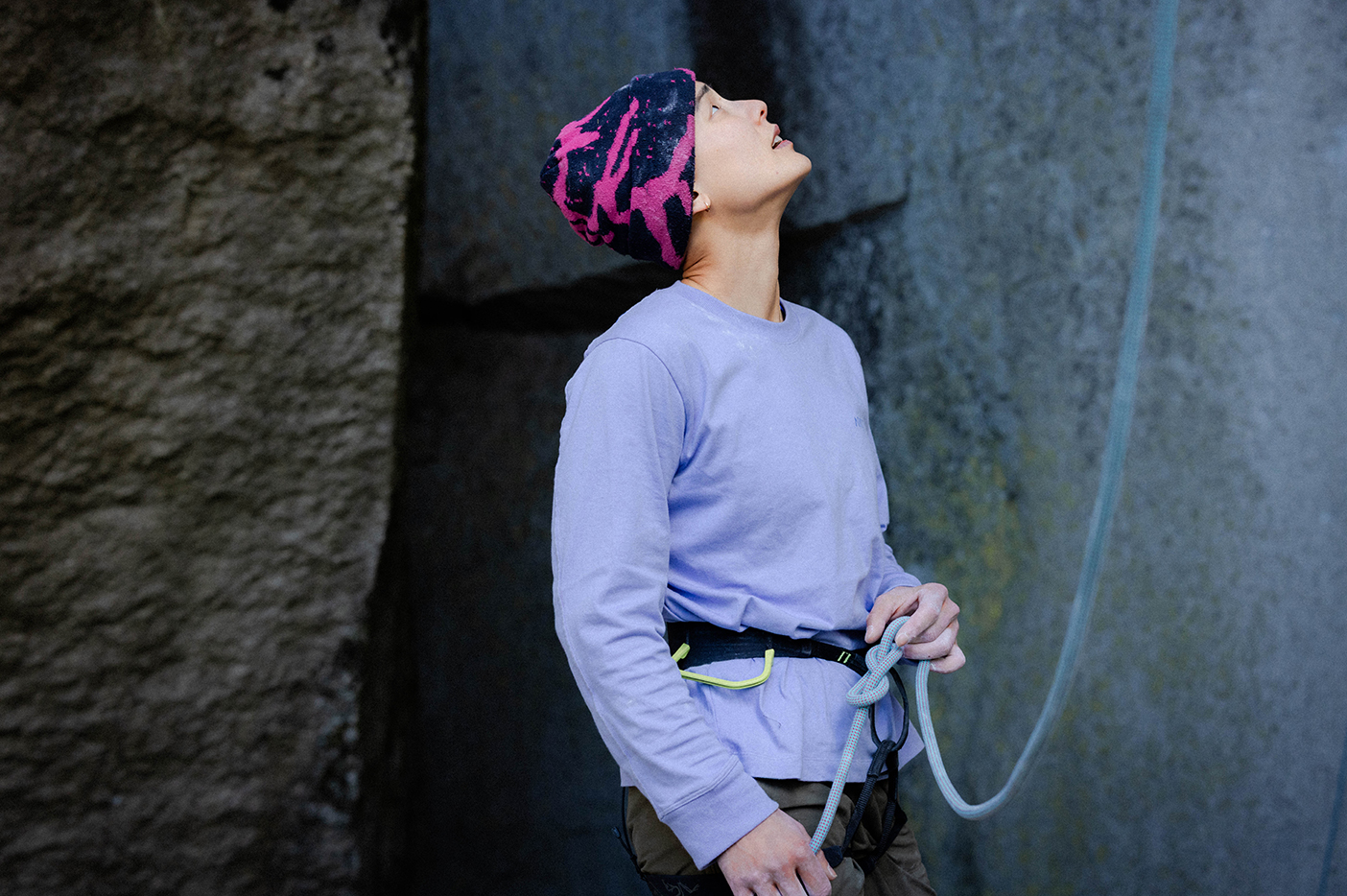
„Ich bin die gleiche Person, ob mit oder ohne Haare … ehrlich gesagt glaube ich sogar, dass ich jetzt die bessere Alannah bin.“
Dieser Satz kam Alannah wenige Tage vor ihrem letzten Wettkampf in den Sinn. „Ich ging an einem Fenster zu einem Trainingsbereich vorbei, winkte einer Freundin zu und lief weiter. Ich erreichte ein weiteres Fenster, in dem ich eine kahlköpfige Person sah. Meine erste Reaktion war negativ. Dann merkte ich, dass ich nicht in ein Fenster, sondern in einen Spiegel schaute. Ich ging weiter und war immer noch schockiert von meinem Spiegelbild. In Gedanken versunken bog ich um eine Ecke und traf auf eine andere Freundin. Sie hatte mich noch nicht ohne Haare gesehen und erkannte mich sofort. Lächelnd sagte sie: „Oh Hello, Beautiful!“
„’Hello, Beautiful’ zu mir selbst zu sagen war überraschend schwierig“, erinnert sich Alannah. „Aber es hatte eine enorme Wirkung.“
Alannah war auf einem langen Weg des Lernens. Sie erkannte, dass das, was uns ausmacht, nicht allein unsere körperlichen Merkmale sind. Es sind die Geschichten, die wir in uns tragen, die Freude und Kreativität, die wir ausstrahlen, die Art und Weise, wie wir im Leben auftreten, die Freundlichkeit, die wir an andere weitergeben, und die Erkenntnis, dass es nicht immer leicht ist – aber, dass es gerade die Wunden sind, durch die das Licht hindurchscheint.
Als sie bei der Olympiaqualifikation in Shanghai zum ersten Mal mit rasiertem Kopf die Bouldermatten betrat, beschloss Alannah ihr Klettern neu zu definieren. Sie entschied sich mit Freude und Neugier zu klettern.
„Die Alopezie und der Versuch, mich erneut für die Olympischen Spiele zu qualifizieren, zwang mich dazu, mich selbst klarer zu betrachten – und zu entscheiden, wie ich leben wollte und wer ich in Zukunft sein wollte.“
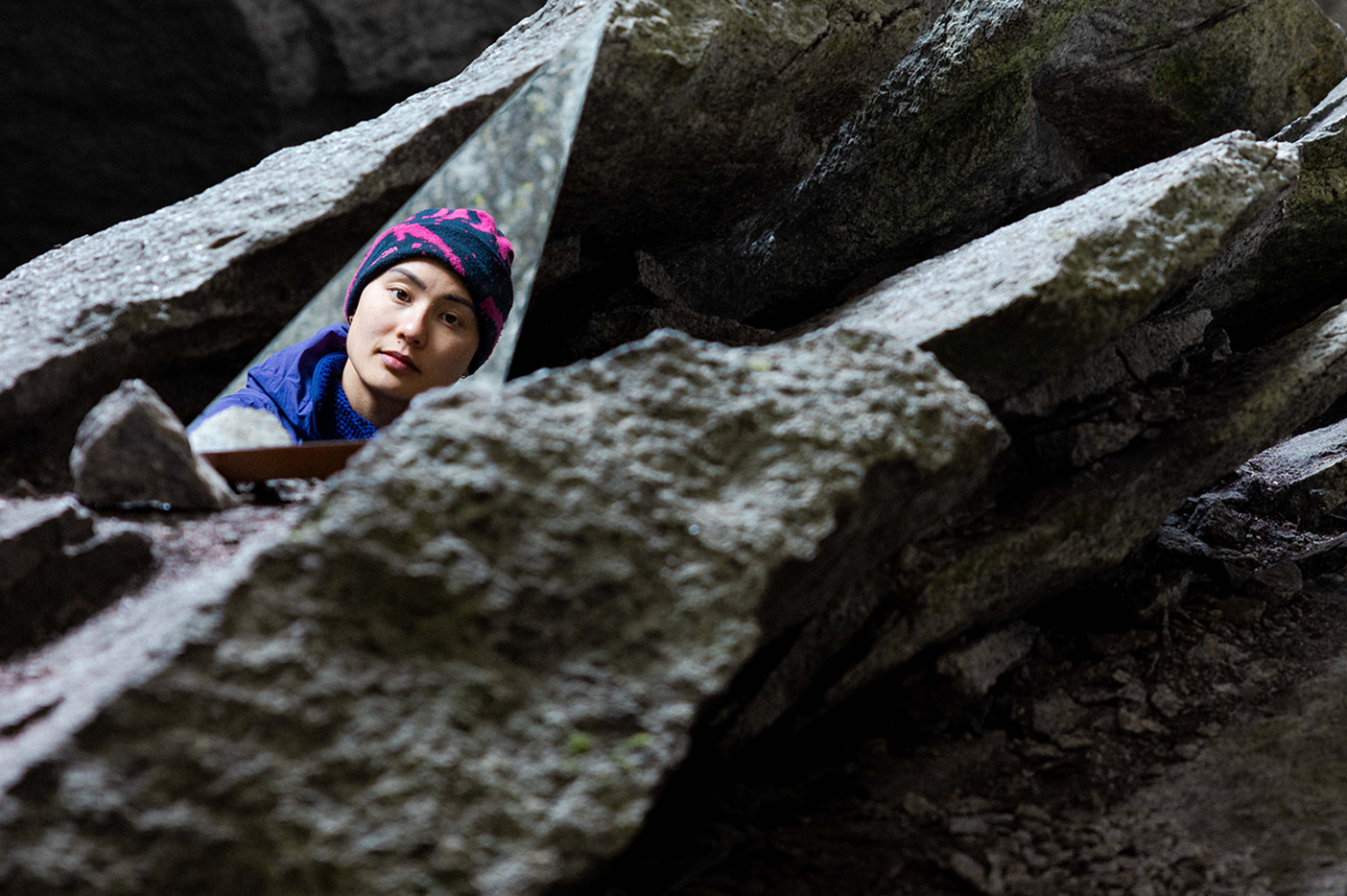
Alannah schenkte dem Startgriff ein Lächeln. Während sie das Boulderproblem auscheckte, schwebte ein Lächeln um ihre Lippe. Dann begann sie zu klettern. „Ich spürte, wie mein Körper sich ganz natürlich bewegte. Es machte wieder Spaß.“
Alannah qualifizierte sich nicht für die Olympischen Spiele in Paris. Doch nach all den Jahren verstand sie schließlich, was das Klettern ihr gegeben hatte: „Eine tiefe Wertschätzung dafür, wozu mein Körper fähig ist und wer ich als ganzer Mensch bin.“
„Ich bin die gleiche Person, ob mit oder ohne Haare … ehrlich gesagt glaube ich sogar, dass ich jetzt die bessere Alannah bin.“ „Die Alopezie hat mich gezwungen zu priorisieren und darüber nachzudenken, wie ich mich selbst bewerte. Ich habe mir tiefe Gedanken über Schönheit gemacht und meine eigenen Ansichten reflektiert. Das Schönste an einer Person hat nichts mit ihrem äußeren Erscheinungsbild zu tun. Es geht einzig darum, wie sie sich verhält, wie sie andere behandelt und wie sie ihr Leben mit Freude füllen.“
Die Dualität in Alannahs Prozess – die Diagnose Alopezie und ihre Entscheidung, die Wettkampfkarriere zu beenden – schenkte ihr ein Gefühl von Freiheit, das sie lange Zeit nicht gekannt hatte. Sie fand neue Hobbys für sich, knüpfte neue Freundschaften und entwickelte neue Leidenschaften. Dabei begann sie, neue Seiten an sich zu entdecken und zu verstehen, wer sie als Mensch ist.
„Ich kann nicht behaupten, dass ich meinen kahlen Kopf jeden Moment eines jeden Tages liebe, aber ich bin auf einem guten Weg. Heutzutage überwiegen die positiven oder zumindest neutralen Gefühle deutlich gegenüber den negativen. Ich lerne, mich ganz ehrlich zu akzeptieren. Das ist befreiend. Das ist Fortschritt.“
