


Jonathan Siegrist began developing routes out of a personal need to climb harder. But when he saw how his lines created connection among other climbers, the work transformed into something greater.
Words by Matt Spohn | Photography by Ryan White
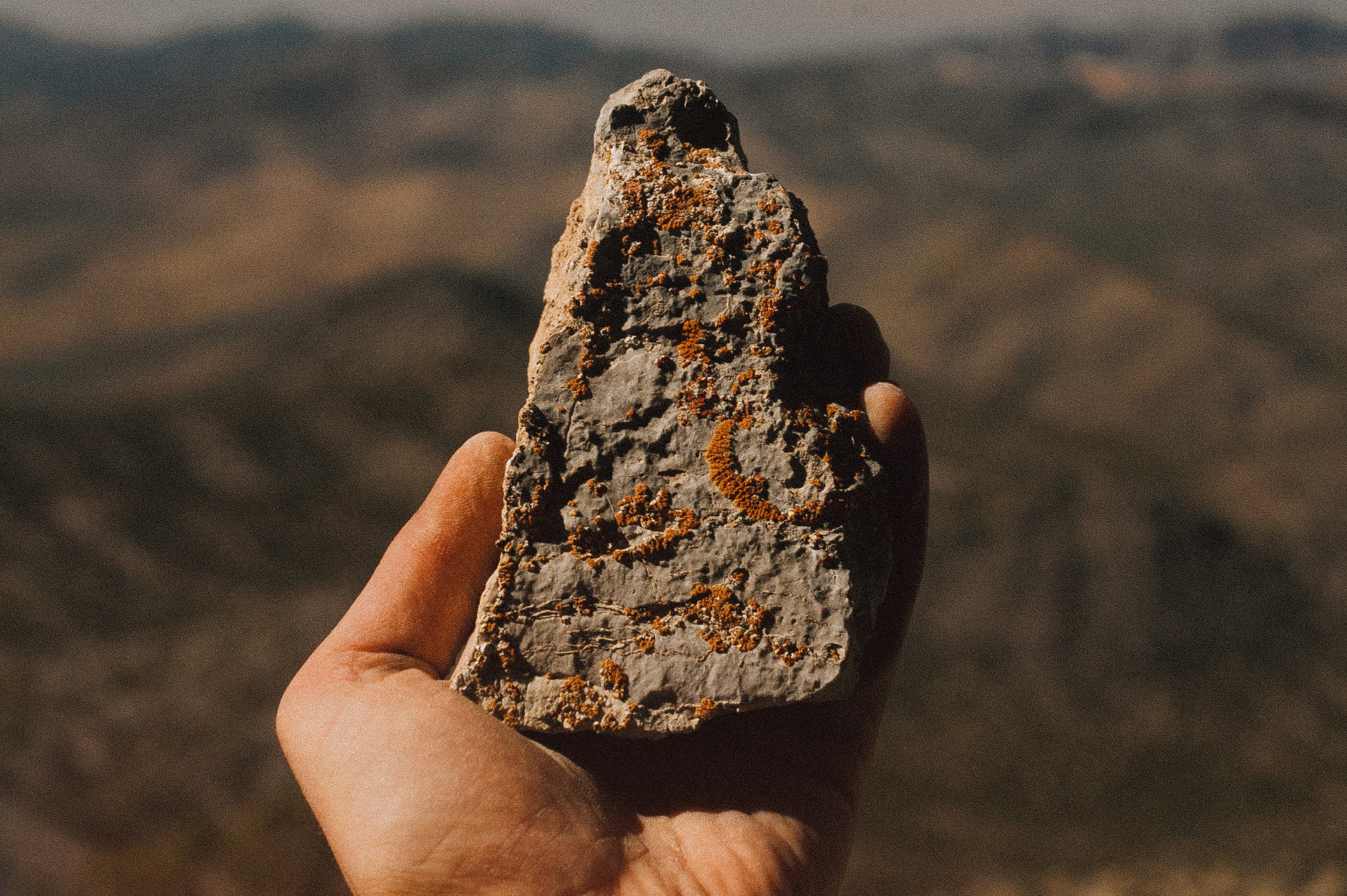
The red streak of lichen catches his eye first. It flows through several small, bulging roofs. The white limestone beneath is promising — bullet hard — and will produce an excellent climb. Years of practice, of bolting lines, tells him this.
The Beginning
Developing routes started out of necessity for Arc’teryx climber Jonathan Siegrist. “Living in the Front Range, I didn’t have a lot of time or money to travel,” he says. “I didn’t really set out with the intention of becoming a route developer or a first ascensionist. I just wanted more routes to climb.”
“It began as a selfish thing,” he admits. “But pretty soon after seeing the way other people responded to the climbs I was putting up, and how the community embraced certain elements of what I was doing, the selfishness dissolved.”
Seventeen years in, Jonathan has placed thousands of bolts, established more than 200 routes, and developed eight full crags. From the Fins in Idaho and Wizard’s Gate in Estes Park to the 5G crag near Las Vegas, Jonathan’s routes go beyond his own sends. They leave something for others: a way into nature, a new experience, the chance to progress.
“To imagine that someone would plan their weekend or change the direction of their entire season to try a route I bolted is humbling,” he says.
“To imagine that someone would plan their weekend or change the direction of their entire season to try a route I bolted is humbling.”
Searching Mountain Project, an online route database, reveals both the quality of Jonathan’s routes and how they have become centerpieces for a climber’s season:
“Classic and highly engaging.”
“Best of the area with fantastic edging and engaging features.”
“Airy, exposed, and perfect rock with great movement.”
“A worthy line!! Major props to Siegrist for putting this up.”
“Holy Moley. This route!”
“This is the sickest route in the Front Range!”
“Cannot believe how perfect this line is.”
Then there are the star-ratings in guidebooks, the uncountable but ever-present personal tick-lists and journal entries, the text messages and social media posts, everything that documents how people engage with and enjoy these lines. Pieced together, a story emerges: climbers finding connection and tuning into the intricacies of movement and place. Chapter upon chapter of people pushing beyond what they thought possible.
For Jonathan, the joy of bringing climbers to newly developed crags and the delight in seeing how they experience his routes are feelings he never expected to have. And they are reasons for him to add more routes, particularly ones across a wider range of difficulty.
“It was the whole process of learning the art of route development at Wizard’s Gate that set off my passion for bolting,” he says. Cloak and Dagger, a line at the crag and the first route Jonathan ever bolted, is a classic in the Front Range, averaging 3.9 stars out of 4. “The route ascends an amazing face before firing into an exposed and technical arete. It’s an eye-catching line.”
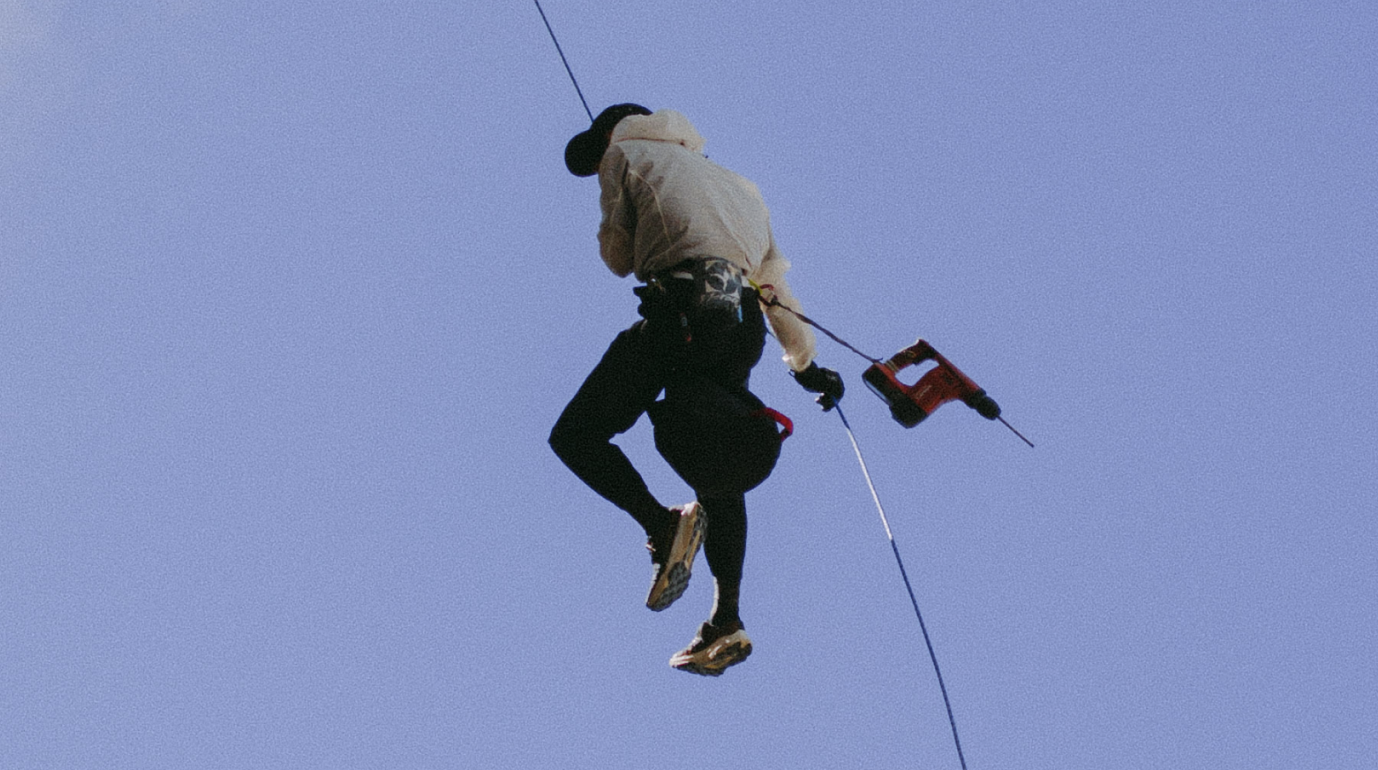
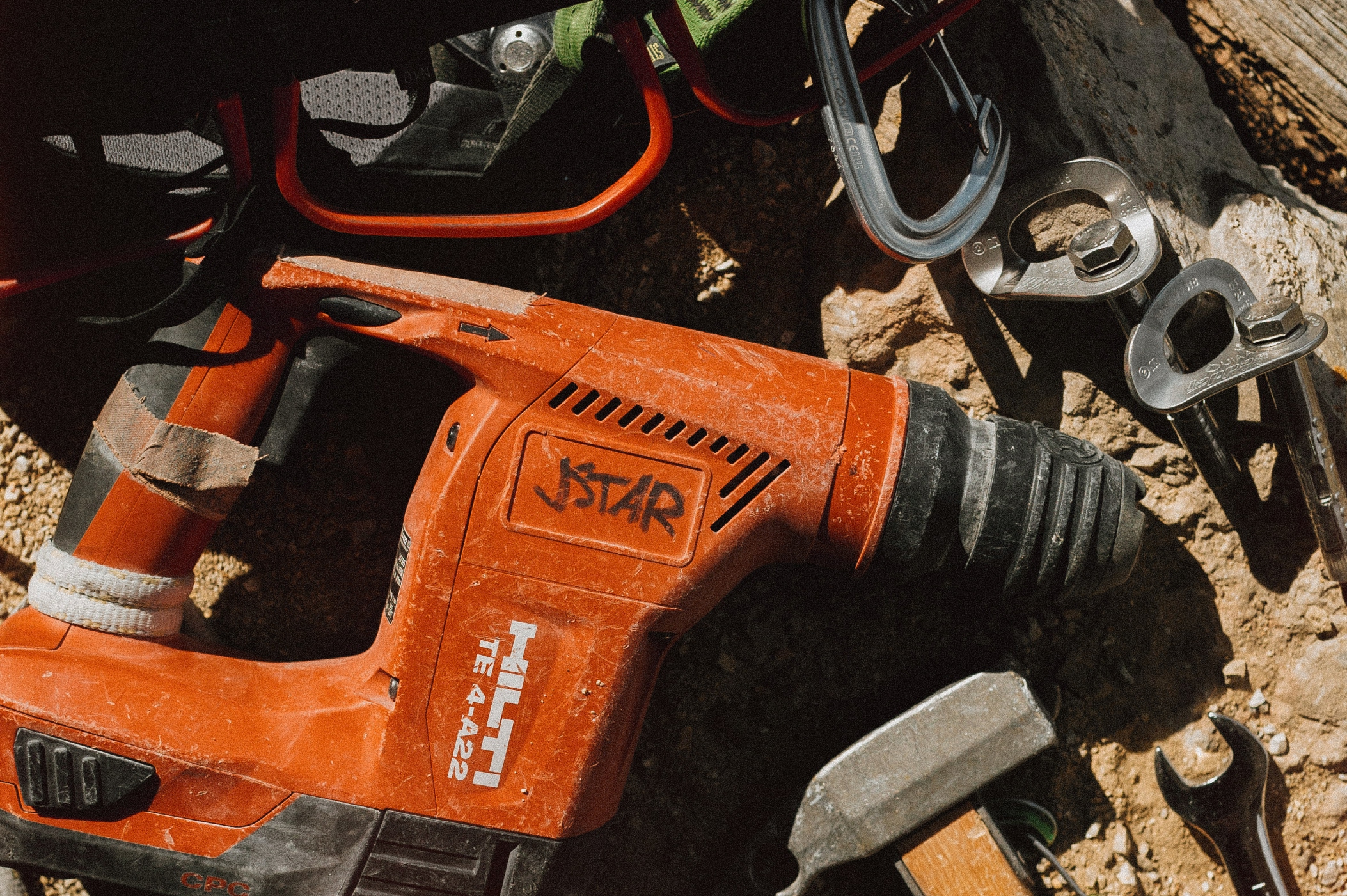
While the rewards of route development are huge, the process is exhausting. Jonathan spends hours on Google Maps looking for rock formations. Then comes the bushwacking and scrambling to see if a crag really exists. If it does, he forges a way to the top of the cliff. Up and down, back and forth, shuttling all the necessary and heavy gear: drill and batteries, anchors, static lines, crowbars, brushes. Eventually, he finds a line — an art form in and of itself — raps in to see if holds exist, and, if they do, gets to work.
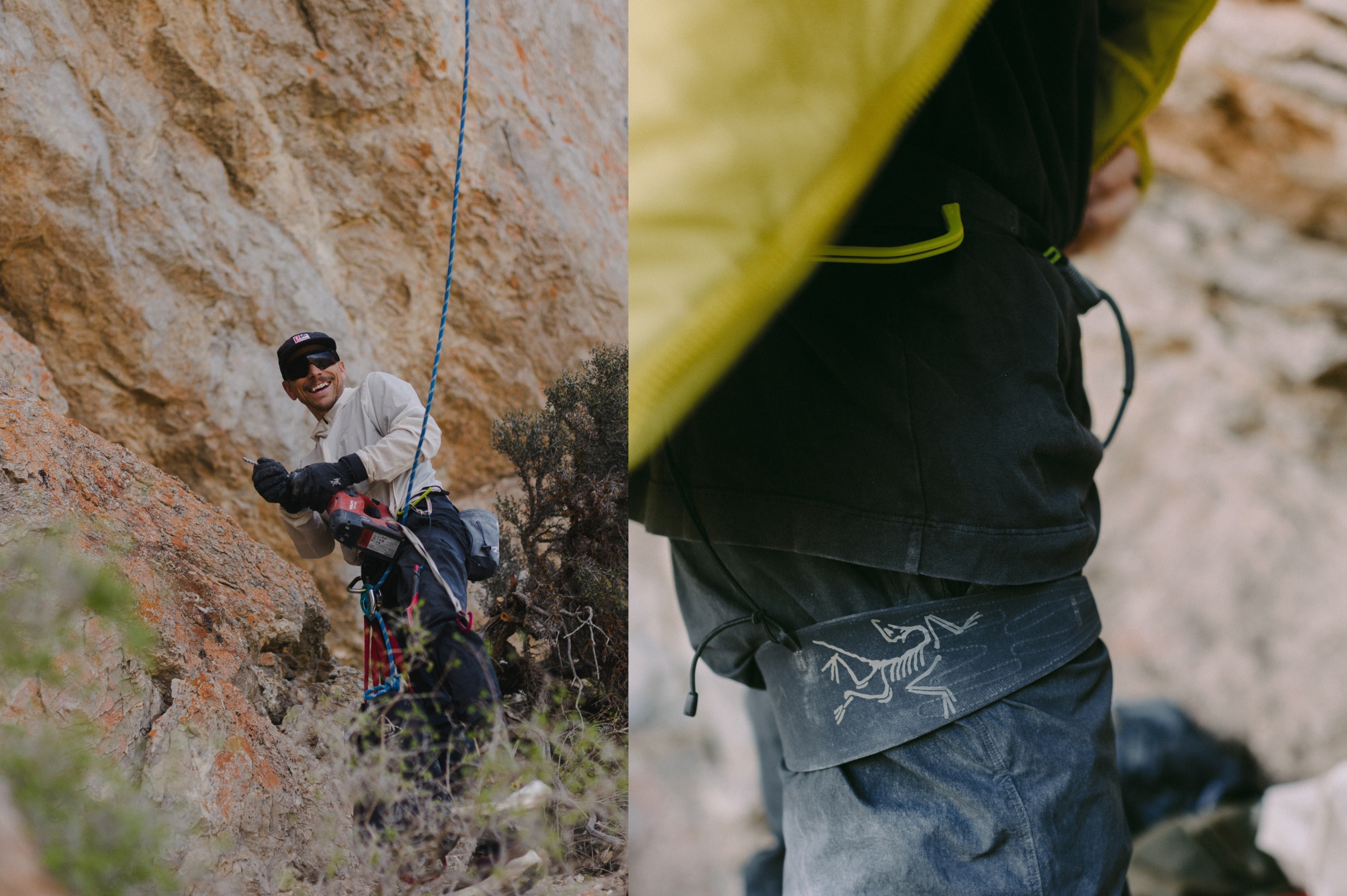
Searching Mountain Project, an online route database, reveals both the quality of Jonathan’s routes and how they have become centerpieces for a climber’s season.
Out of the Ordinary
“Most route developers I know do a lot of hiking,” Jonathan laughs. “You probably walk up to two or three walls for every one wall that ends up being good.” But it’s not just the hiking. Bolting is an elbow-taxing, muscle-tweaking process.
“Sometimes you’re straining to hold a position while you bolt. You’re jugging. You’re carrying loads.” The fact that Jonathan, who has climbed nearly a hundred 9a routes, takes time to search out, hike to, and bolt lines is, to most, bewildering and out of the ordinary.
“By high-end American sport climbing standards, I would classify Jonathan as a very prolific route developer,” says climber Josh Wharton. “Most of the best US sport climbers just go to Europe rather than take the time to find, clean, and bolt a line. He’s clearly madly in love with the sport.”
This love of Jonathan’s is twofold: the personal pursuit of hard routes and a connection to community. On the one hand, developing his own projects rather than trying previously established lines is akin to taking the time to prepare a nice meal for yourself. And sharing the climbs with others, bringing them to the metaphorical table, enhances the experience, allowing Jonathan to engage with his routes on a different level.
“Every route starts from scratch,” Jonathan says. “You’re deciphering the beta and unlocking specific moves, and there’s a wonderful creative aspect. Should I traverse 10 feet to the right or should I go straight up? Where do I put the anchor? The emotional reality of bolting is that it feels like creation — and there’s a big difference between creation and consumption. I’m not only thinking about what I like. I’m looking at the route through the lens of how other climbers will enjoy it.”
What’s in a Name?
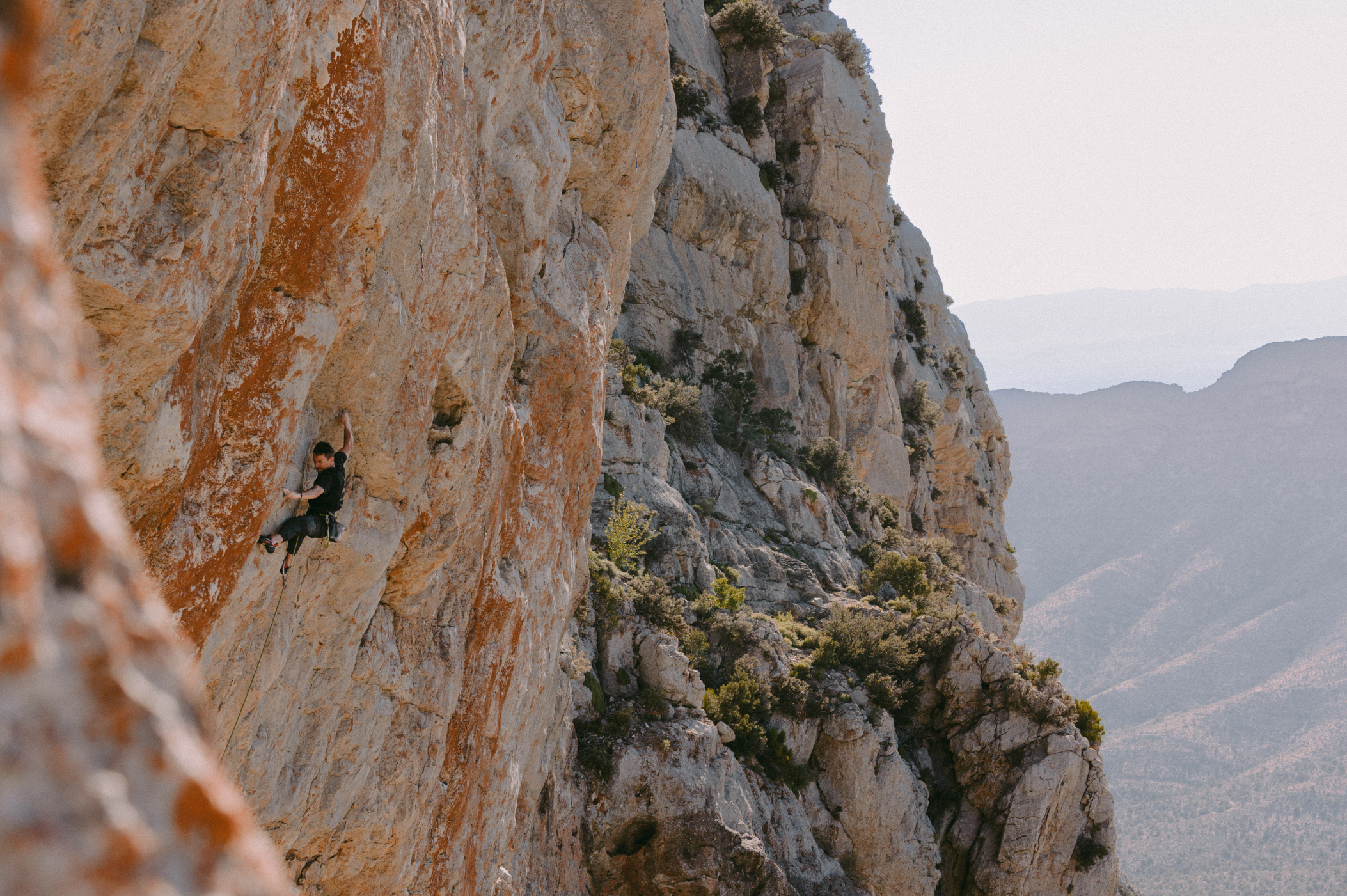
This heightened sense of investment and care has gone into developing his newest crag, Pagoda, a limestone cliff near Las Vegas. The cliff, guarded by a lower, overhanging wall, features streaks of the aforementioned red lichen. Its physical appearance spawned the name, but Jonathan is also a graduate of Naropa University, a contemplative Buddhist-inspired liberal arts school, and he wanted to pay respect to that part of his life, he says.
For Jonathan, route and crag naming are an incredibly important part of the process and shouldn’t be taken lightly. Names should pay reverence to place and reflect on the hard work associated with cleaning, bolting, and climbing the line. For Jonathan, a route name should be something that future ascensionists are inspired by. It should add to the experience.
“I feel like there’s this extra requirement to give thought to a route name. The quality of a climb can be compromised to some degree by poor naming,” he says.
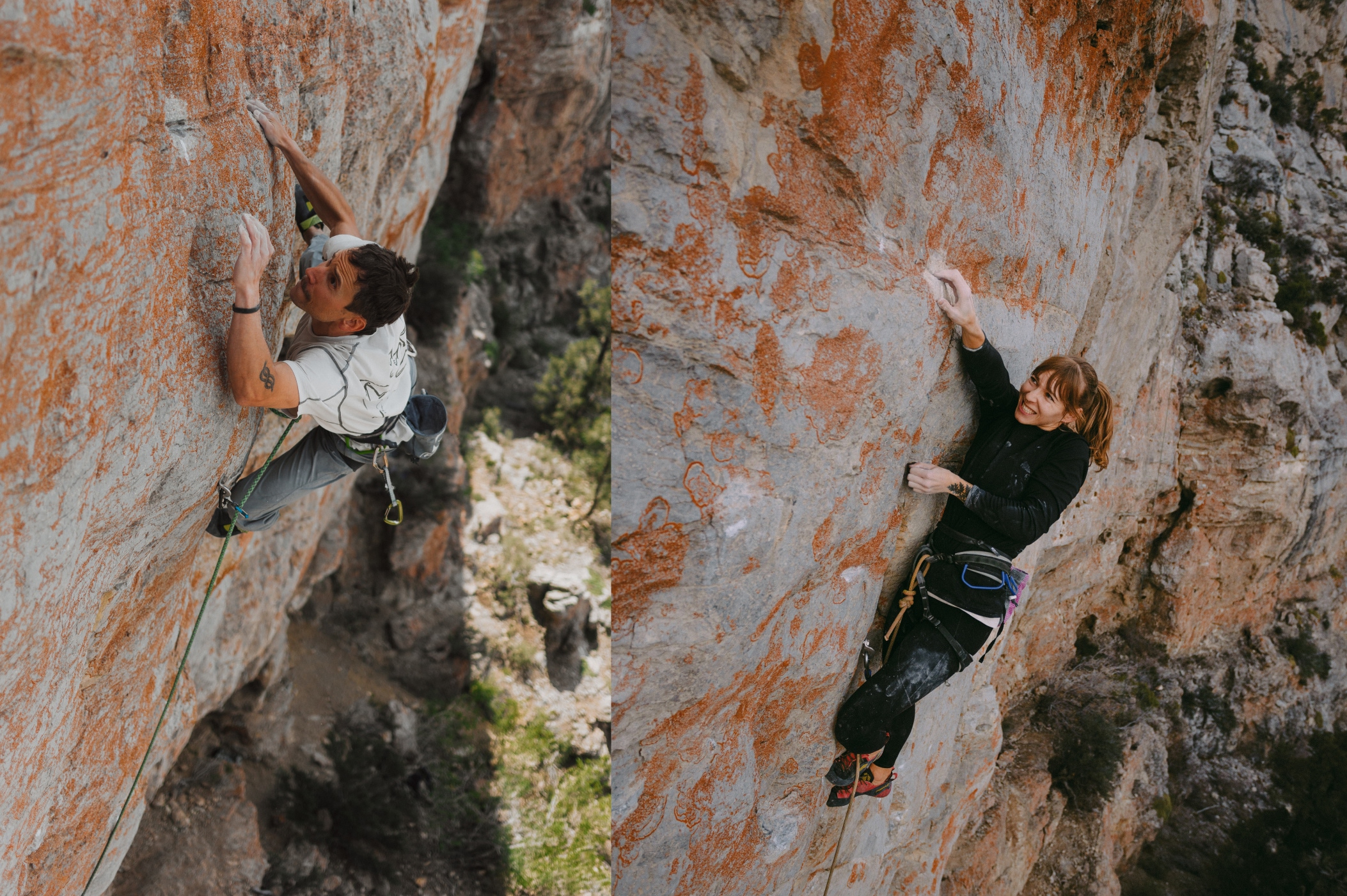
“By high-end American sport climbing standards, I would classify Jonathan as a very prolific route developer,” says climber Josh Wharton.
Often, routes that define an era have names that are mesmerizing, even a bit haunting. Routes like Realization, Silence, and Eternal Flame have become a part of the climbing lexicon. Sometimes they speak to the history of the line, Salathé, or a particular feature, The Backbone.
The main red streak of lichen at Pagoda that initially caught Jonathan’s eye is now equipped with bolts. “The climb flows almost too well,” he says. “Every time you pull through one of the roofs you’re met with a jug — sometimes ledges, other times deep pockets. The jugs give way to crimps, and you wish you would’ve shaken out. But it’s too late. You have to cast into the taxing layback corner and then climb through one last bulge.”
Red Lotus may be one of the best lines on the cliff. The rock is textured and comfortable. “People who have hiked up there with me are instantly amped to try it.”
“I feel like there’s this extra requirement to give thought to a route name. The quality of a climb can be compromised to some degree by poor naming.”
The Next Chapter
For many climbers, a route can become the most important and consuming thing outside of family, friends, and work. When you find a project you love, the journey starts. And there’s a desire to share the accomplishment when the climb is finished off — a desire to bring others into this defining moment.
Jonathan wants the experience of climbing his routes to be a full mind-body connection, enabled by beautiful features, flowing sequences, and challenging moves. “Right away, I want my routes to be as good as I can get them,” he says. “Of course, I want them to be fun and safe, but most of all I want them to be incredible journeys.”
Every route is a book. “Once I climb it, the story doesn’t end. It’s just getting started. There are a lot more climbers to come.”
Arc’teryx is a proud sponsor of the Access Fund Anchor Replacement Grant.
Learn more here: https://www.accessfund.org/grants/anchor-replacement-fund