


IN SEARCH OF
THE PERFECT RUN
Words by Alex Kurt | Photography by Carlos Blanchard
How Jazmine Lowther balances structure and spontaneity to stay motivated, chase her goals, and unlock the days when everything feels right.
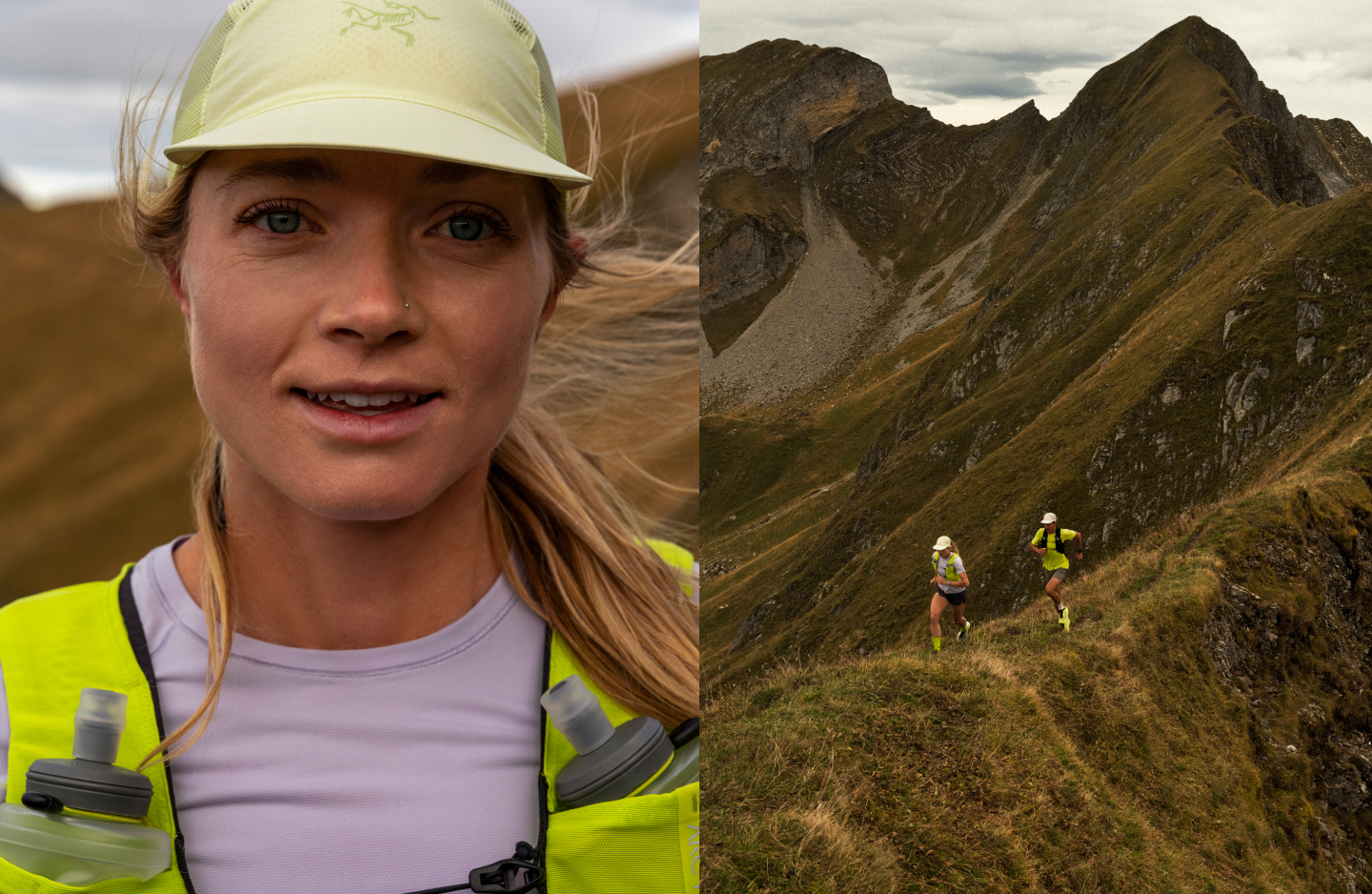
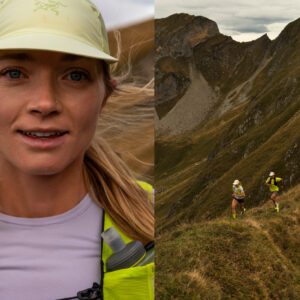
Jazmine Lowther was partway through the 101K CCC race when, as she puts it, she ran out of things to think about, and her mind quieted down.
CCC (short for Courmayeur/Champex/Chamonix) is part of the UTMB World Series Finals in the Alps each August, and for many of the pros running it, it’s the focus of their whole year. With stiff competition and plenty of fanfare, it’s not exactly the setting where you’d expect to slip into tranquility. Yet that’s exactly what happened to Lowther.
“The conditions were just right,” says the Arc’teryx run athlete. “I was on a section of trail that was really smooth and flowed off into the distance. There weren’t any competitors around me.”
What Lowther felt wasn’t disengagement. Quite the opposite: She was completely in the zone, running harder with less effort. Everything was clicking.
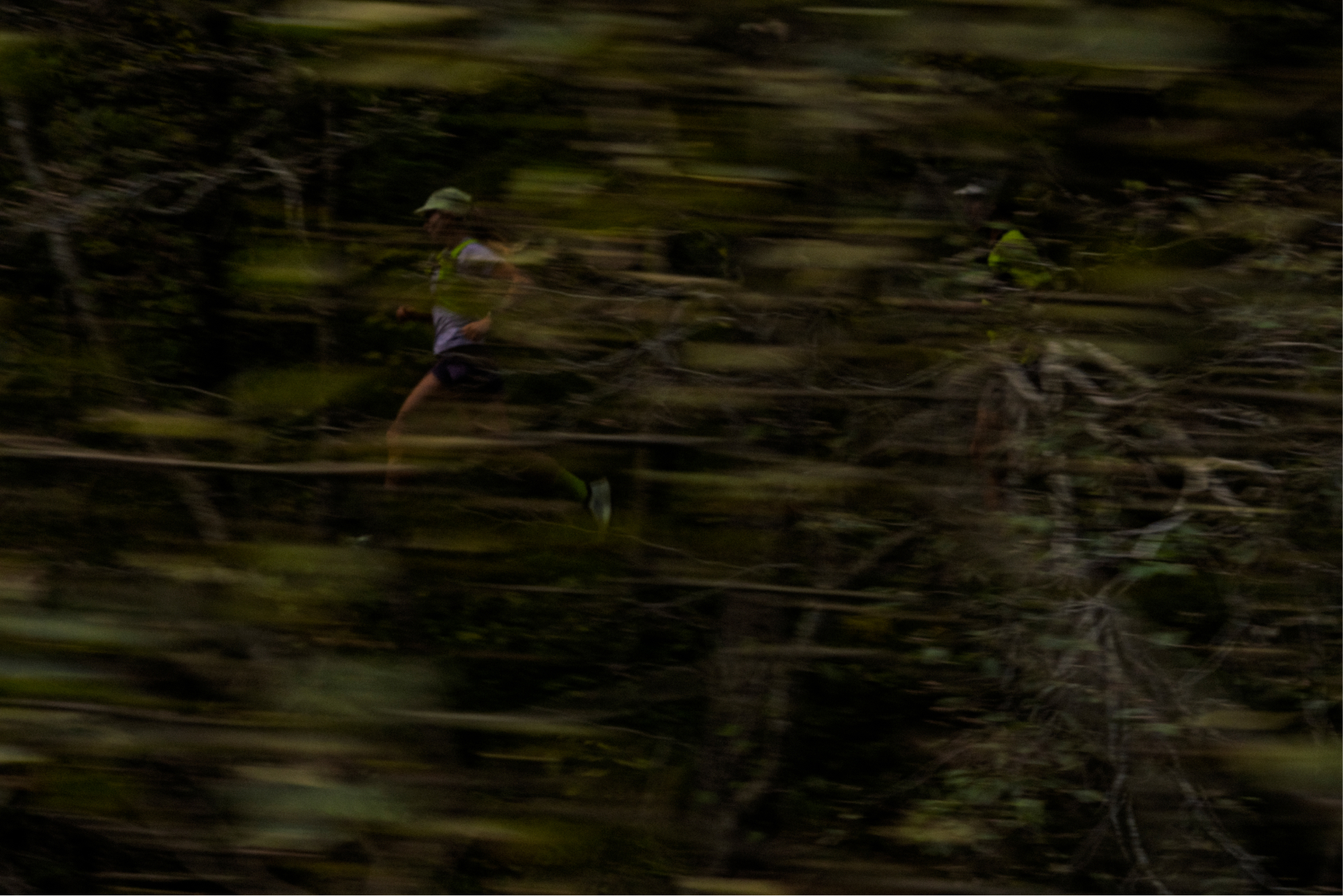
“It’s like this haze envelops you and carries you forward,” she says.
“It’s like this haze envelops you and carries you forward.”
The Flow State
The sort of weightless trance Lowther experienced is something researchers have identified as a particular physiological and psychological phenomenon: flow state.
“Flow is the process of being fully engaged in life,” says John Coleman, PhD, a performance psychologist who works with Arc’teryx athletes, including Lowther. “It’s created by the relationship you have with yourself, the environment, and the present moment.”
“Flow is the process of being fully engaged in life. It’s created by the relationship you have with yourself, the environment, and the present moment.”
In his 1990 book Flow: The Psychology of Optimal Experience, Mihaly Csikszentmihalyi, who coined the term, characterized it as total absorption and effortless control in an activity — not autopilot, but rather a state where full engagement comes naturally. It’s quite literally in your head: The prefrontal cortex, which manages things like emotions and decision-making, backs off, letting the more automatic functions take over. The subject feels no self-consciousness and experiences deep happiness and fulfillment.
For athletes, that can lead to a moment of perfection: floating the crux move on your project, effortlessly linking turns high in the alpine with skis that feel like an extension of your body, or a run when your legs simply refuse to get tired and you go faster or farther than you ever thought you could.
That surprising-of-self tracks for Lowther. “When I saw a photo of myself later from that race, I laughed,” she recalls. “I look so intense. I don’t remember it that way.”
Lowther says she experiences this mind-body sync once or twice a week, if she’s lucky, whether in training or a race.
“When you find it, you feel invincible,” she says.
How to Get There
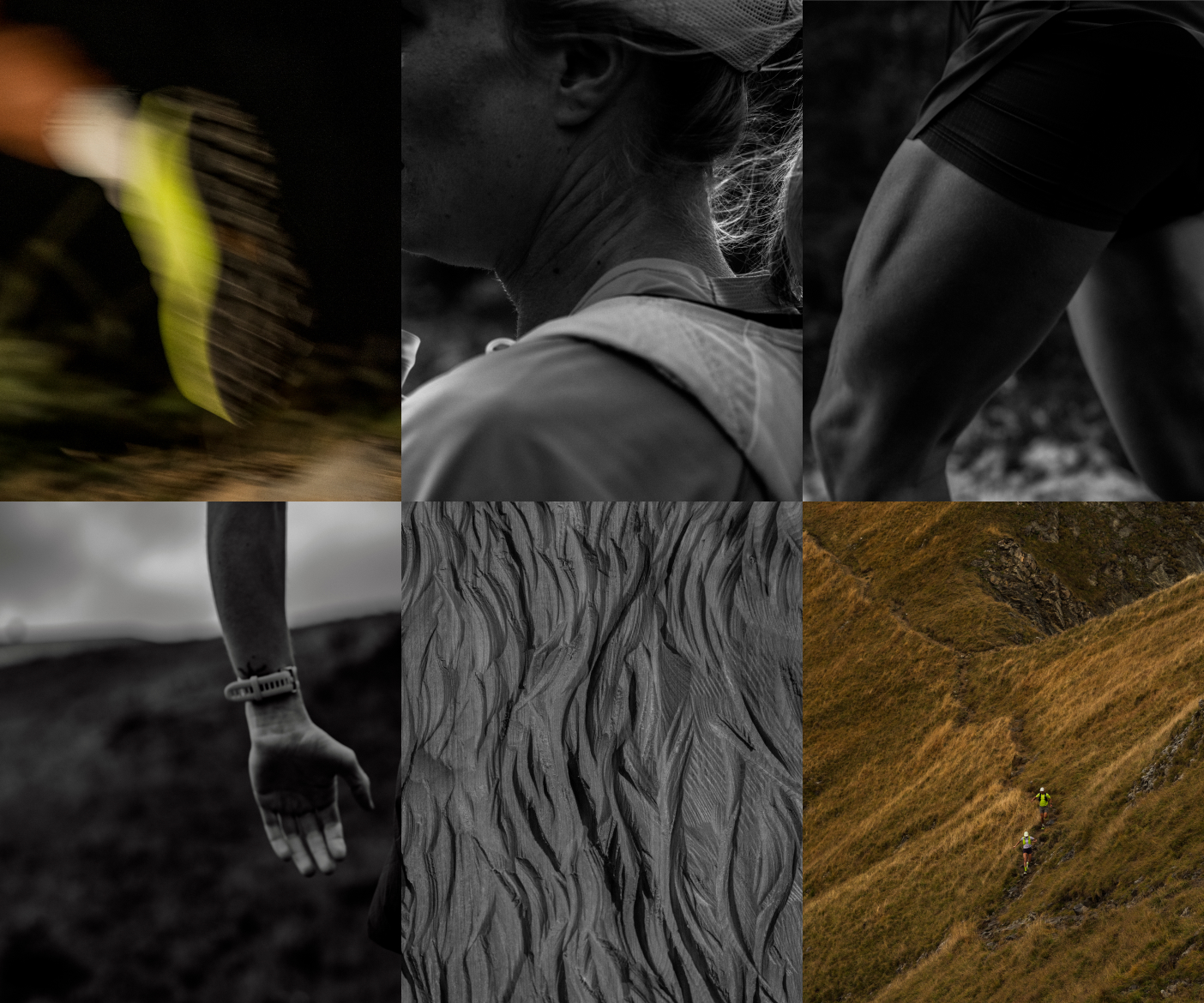
Lowther says the longer the race, the more likely she is to experience flow. Like any payoff, the flow state requires some work to get there.
Or as Dr. Coleman puts it, in order to get to the good stuff, first you have to work through everything else.
“When we think of ‘flow,’ we tend to think of this peak easeful experience, but the first phase is to struggle,” he says. “Then when you accept that struggle, you experience a release, and that’s how you get to flow.”
It’s like flow is an island accessible only by suffering — and there’s plenty of that in the early stages of a race. The first kilometres are usually nervy and crowded, and it’s easy to second-guess your pacing or question if you’re feeling good.
“You have a lot of mental stuff to burn through, especially in the first hour,” Lowther says.
“But when you’re out there long enough, your thoughts slow down,” she explains.” You can get past the point where a scratchy clothing tag is bugging you, or you’re worried about the result, to where you’re very present. You’re totally at peace with what you’re doing.”
“But when you’re out there long enough, your thoughts slow down. You’re totally at peace with what you’re doing.”
When that feeling unlocks, Lowther says, it makes all the rest of the work worthwhile.
“My motivation can wane, and sometimes running feels like a chore,” Lowther says. “Especially if I’m in the middle of a high-volume training block, or it’s in the throes of winter or rain.”
Spontaneity vs. Structure
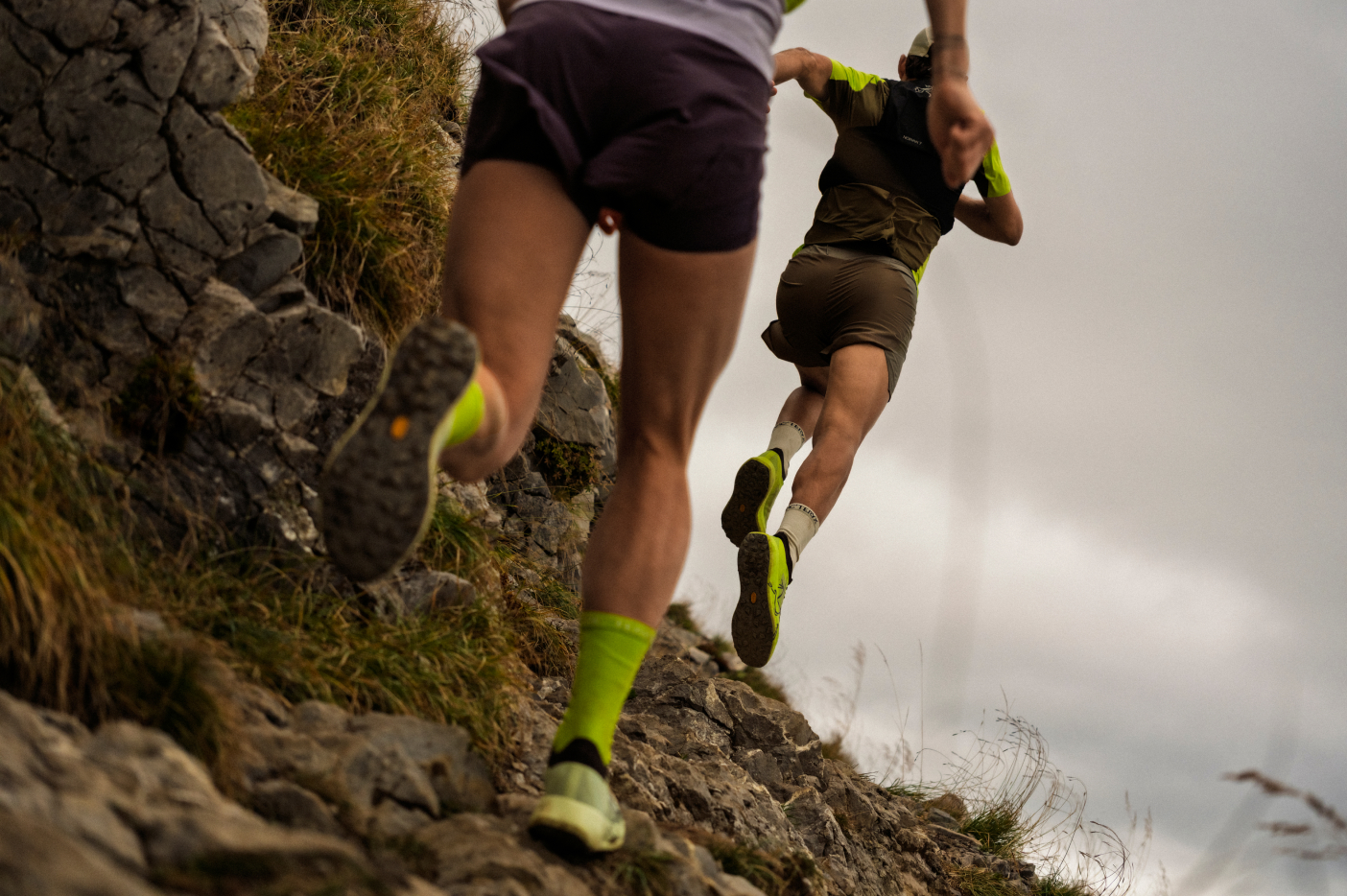
Lowther says the easiest way for her to shake that mindset is to be somewhere new.
“I have an easier time finding flow if I’m running someplace I’ve never been,” she continues. “Taking in all the new sights, sounds, and smells helps get me to that state.”
As she got more into trail running — and more successful at it — Lowther found she thrived on novelty. She largely lives out of a van when she’s training and travelling to races, which allows her to constantly experience new trails all over the world. But this approach tends to clash with the structure often required for someone at the sharp end of the racing scene.
Last September, Lowther found herself in Canfranc-Pireneos, Spain, to compete in the World Mountain and Trail Running Championships for Canada. It was her first time there. The weekend before the race, her coach had scheduled a two-and-a-half-hour long run. But the pull of an unfamiliar landscape proved too strong, and she kept going. And going.
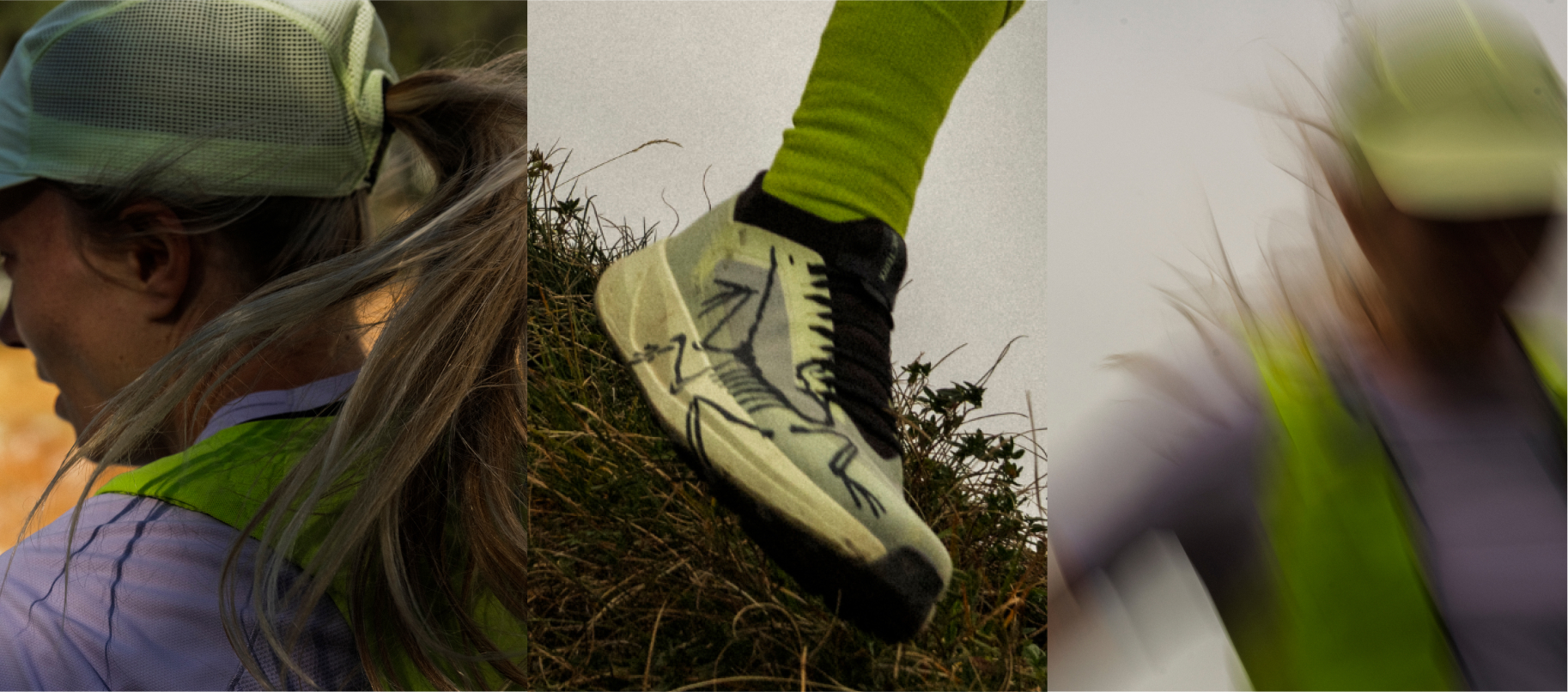
“I wanted to connect with the area, and got to see lots of chamois [a local goat], big limestone rocks, and medieval ruins,” she says. “It was what I needed.”
Six and a half hours later, she returned home.
“It was fine,” she says. “I was doing a lot of power hiking, and it was really gentle.”
She sounded like she’d already practiced that justification — likely when she informed her coach. “He wasn’t thrilled,” she says. “But he wasn’t surprised either.”
“We both understand that to maintain your passion for the sport, there needs to be some give-and-take between structure and spontaneity,” she continues.”
“To maintain your passion for the sport, there needs to be some give-and-take between structure and spontaneity.”
While she indulged that spontaneity before Worlds — where a week later she stormed to fourth place in the 80K “Long” course — not every day brings a blank slate or idyllic landscape. So Lowther has developed tricks to unlock flow when she’s homebound or running a familiar route.
“When I’m going on the same 10K loop behind my house I always do, I think, ‘How’s it going to be different this time?’ she says. ‘Who will I run into? Are the leaves changing?'”
“It doesn’t always work, but that heightened focus and sense of wonder can help me tap into something,” she explains.
The Perfect Run
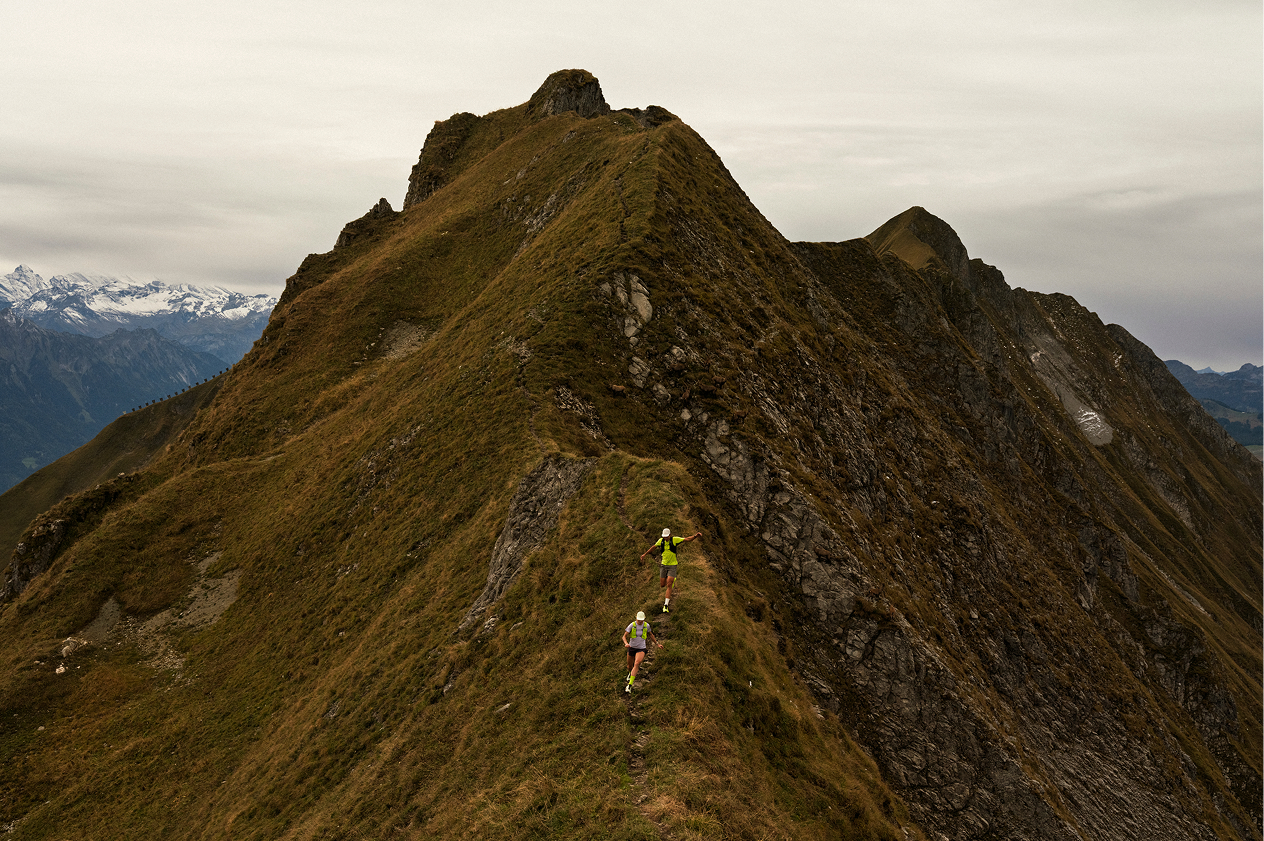
Lowther still says the days she can simply head out with no plan and no heart rate monitor are her favourite — and the ones when she’s most likely to escape into flow state. “I like to find a distant peak and let it pull me in,” she says. “If I feel good, I’ll go to the next one, then keep going as long as I feel like. Those days are the bread and butter.”
On those days, when everything clicks and things start to feel effortless, she says, “that’s the perfect run.”
“There’s this indescribable sense of freedom and connection,” she says. “It’s why I do this.”
“There’s this indescribable sense of freedom and connection. It’s why I do this.”